

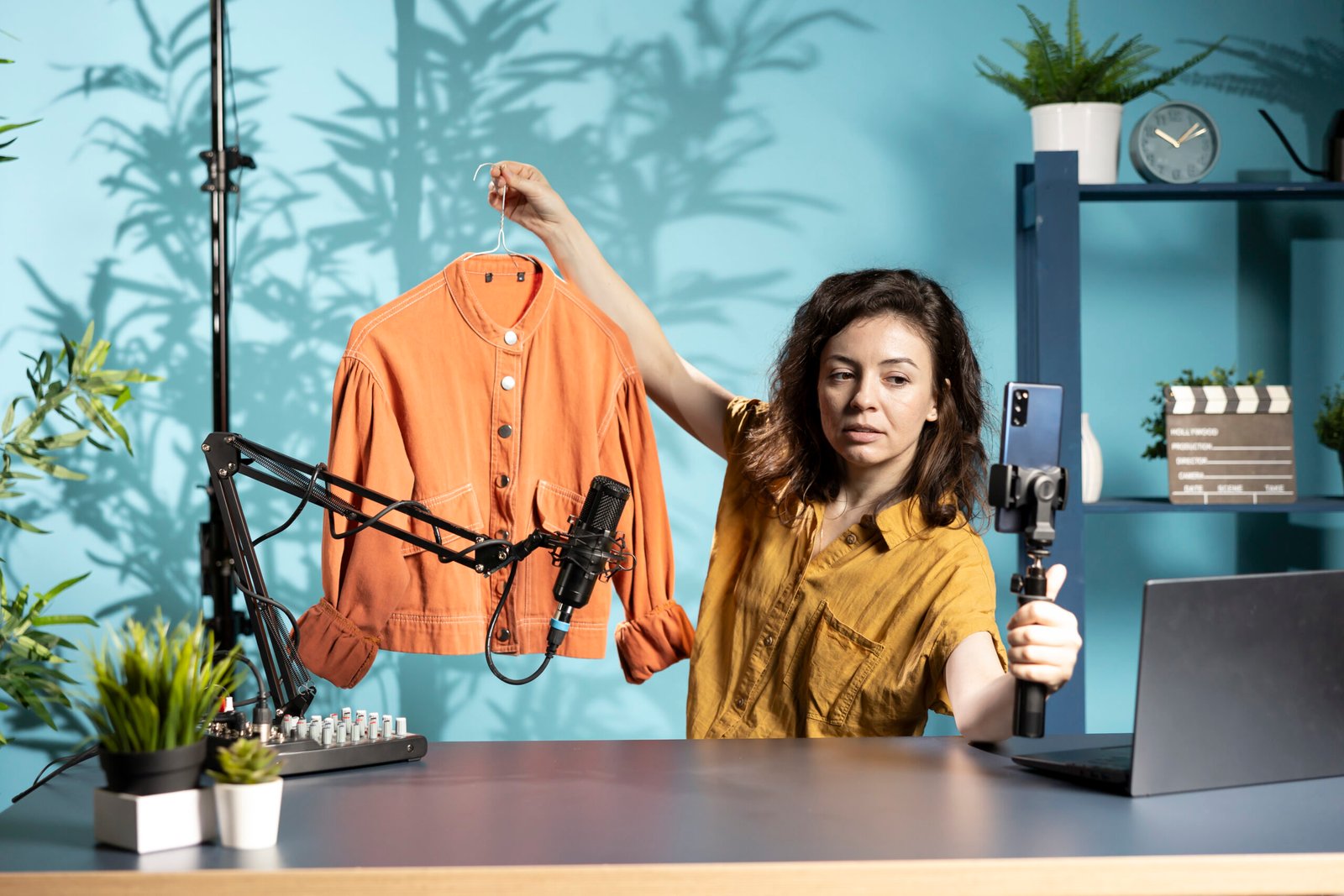
Imagine a world where fashion isn’t confined to seasonal collections, fixed runway shows, or static lookbooks. Instead, visual style becomes fluid, iterative, and collaborative — continuously evolving in the hands of many. That’s the essence of the “Fashion’s Never Finished GIF Social Experiment.”
At its core, this concept treats fashion not as a product to be consumed once, but as a living, breathing canvas — one constantly reshaped by community input, creativity, and digital interactivity. Rather than garments being “final,” they remain perpetually open to reinterpretation, remixing, and re‑imagining.
In a time when social media dominates communication, and digital content shapes culture, merging fashion with a social experiment based on GIFs, loops, animations, and crowd participation could mark a new frontier. It could blur the lines between designer and consumer, creator and audience — unlocking a new paradigm where everyone becomes a contributor to style.
But beyond novelty, such an experiment could challenge existing structures: exclusivity in fashion, wasteful consumer cycles, and the passive consumption of style. By inviting ongoing participation and reinterpretation, it could democratize fashion while embracing sustainability and community — making fashion dynamic, inclusive, and continuous.
In this article, we explore this conceptual social experiment in full: its foundations, how it could work, what it aims to achieve, its challenges, and ultimately, why it could matter for the future of fashion and digital culture at large.
2. Theoretical Foundations: Why GIFs, Why Social Experiments, and Why Fashion
The Power of GIFs and Short-form Animated Media
GIFs — short, looping animations — are among the most shareable and engaging formats on the internet. Their brevity, visual impact, and often-looping nature make them perfect for quick consumption, social sharing, and viral spread.
In a cultural climate dominated by short attention spans, GIFs condense emotion, style, and expression into digestible loops. They distill aesthetic essence — a swirl of fabric, a flash of color, a silhouette shifting — into an almost hypnotic visual snippet. This makes them ideal for fashion, where movement, texture, and transformation often define style more than static images.
Moreover, in the context of social media, GIFs encourage engagement: they’re easy to repost, remix, embed, and reinterpret. This makes them powerful building blocks for any participatory or experimental content campaign.
Social Experiments: From Psychology to Cultural Commentary
Social experiments — structured or semi-structured social media campaigns where participants contribute, respond, and influence outcomes — have long been used in psychology, sociology, marketing, and activism. They rely on interactivity, unpredictability, and collective participation.
In the context of fashion, a social experiment can challenge conventional consumption patterns, test new modes of engagement, and push cultural boundaries. By involving participants in creating, remixing, or voting on fashion content, such an experiment transforms consumers into collaborators — shifting power dynamics.
Why Fashion Fits So Well
Fashion is inherently visual, dynamic, and context-sensitive. A garment shown on a runway under perfect lighting may look very different on the street, in motion, or under different styling. Fashion thrives on reinterpretation: mixing old and new, combining styles, reworking silhouettes, and personalizing looks.
Thus, using a medium like a GIF — which captures motion, mood, and transformation — to represent fashion makes sense. And turning that into a social experiment, where participants contribute and co-create, aligns with fashion’s evolving ethos: diversity, personalization, and democratization.
Together, GIFs + social experiment + fashion = a potent mix for reimagining what style can be in the age of digital media.
3. Conceptual Framework: What the Experiment Might Look Like
Here’s a detailed envisioning of what the “Fashion’s Never Finished GIF Social Experiment” could look like in real practice.
Core Concept: “Never Finished”
-
Fluid collections: Rather than discrete seasonal collections, garments and outfits evolve. A base look might be posted as a GIF; then participants remix, propose edits, or add overlays, producing alternative versions.
-
Community co-creation: Users — from amateur stylists to everyday fashion lovers — contribute their own edits: color changes, added accessories, different backgrounds, animation overlays, etc.
-
Iterative evolution: Over time, GIFs transform — layering styles, integrating feedback, remixing designs. The garment becomes a “living” piece of art, never static or final.
Use of GIFs & Animated Loops
-
Garments are displayed in motion: fabric sways, silhouette rotates, light shifts — capturing more realistic interaction than a static photo.
-
Animation allows for highlighting transformation: e.g., before/after styling, mix-and-match outfits, digital overlays, or “modular fashion” where parts of outfit cycle through variations.
Crowd Participation & Co‑creation
-
Submission-based contributions: Users submit edits (color changes, added elements, backgrounds).
-
Voting & feedback loops: Community votes on favorite variants, suggests improvements, comments on style.
-
Collaborative chains: A “remix” feature where someone’s GIF becomes the base for the next user’s edits — like a fashion “telephone game” across many creatives.
This structure embraces the social‑media generation’s love for remix culture, collaboration, and personal expression.
4. Possible Objectives & Goals of the Experiment
Why run such an experiment? Here are some of the potential aims and values behind it.
Democratizing the Fashion Creative Process
Fashion is often gate‑kept: major brands, elite designers, runway shows. This experiment gives everyone — regardless of background — a chance to contribute. Talent isn’t limited by geography, credentials, or budget.
Encouraging Sustainability & Reducing Fast‑Fashion Pressure
By treating garments as evolving digital objects (or modular digital accessories), the experiment could reduce pressure to constantly buy new clothes. Instead, style is about remixing, reimagining, and reusing. This aligns with growing concerns about overconsumption and waste in fashion.
Building Engagement and Community
The participatory, social‑first nature encourages sharing, co‑creation, and community. People contributing to a shared digital wardrobe could foster identity, belonging, and collaborative creativity.
Brand Innovation & Marketing
For brands or independent designers, such a social experiment offers novel marketing possibilities: user‑generated design, crowdsourced trends, and rapid feedback — all while building buzz and organic reach.
Trend Forecasting & Cultural Insight
Tracking how people remix, modify, and vote on styles gives insight into emerging fashion preferences, cultural shifts, and aesthetic trends — valuable for designers, marketers, and sociologists alike.
5. Implementation Strategy: Platforms, Mechanics, and Participation
To bring this experiment to life, the right digital infrastructure, community incentives, and social media strategies are required.
Platforms
-
Instagram & TikTok: Both support short-form, looping content (or animations), making them ideal for GIF‑style experiments. Visual and highly shareable.
-
Digital fashion marketplaces: Platforms like DRESSX — known for digital garments and virtual fashion — could host digital clothing versions and enable users to “wear” or remix digitally.
-
Custom web platforms or microsites: A dedicated website or microsite to upload, remix, vote, and track contributions — serving as the “laboratory” for the experiment.
Mechanics
-
Base templates & starter GIFs: Designers or curators release base garments or styles as GIFs.
-
User Remix Tools: Simple editing tools or overlays (colors, filters, accessories, digital embellishments) — enabling non-experts to remix easily.
-
Voting & Curation: Community votes on favorite versions; top variants get featured, spotlighted, or turned into “official” pieces.
-
Digital Ownership / NFT Option (optional): To incentivize participation, outstanding creations could be minted as digital collectibles — representing ownership, recognition, or potential resale value.
Incentives & Rewards
-
Recognition & Spotlight: Featuring top creators, naming them in “hall-of-fame,” or social media shoutouts — giving community status.
-
Digital Ownership / Virtual Wearables: Granting digital wearables or limited-edition digital garments — which users can “wear” in social content.
-
Real‑world merchandise: Selected GIF-based designs could be turned into physical garments, with profits/shared royalties going back to creators.
-
Community & Collaborative Culture: The sense of contributing to a shared global fashion experiment; building connections and creative dialogue.
6. Potential Variants: Digital Fashion, AR/VR, and Hybrid Physical‑Digital Fashion
This social experiment could evolve beyond simple GIFs into more advanced formats as technology and interest grow.
Pure GIF‑based Digital Fashion Showcases
Entire collections of fashion “looks” are only digital — looped animations shared online. Users “dress” their avatars or images with these digital outfits, remixing them as they like. Ideal for low-cost, sustainable, high-creative projects.
Augmented Reality (AR) / Virtual Reality (VR) Extensions
Using AR filters or VR spaces, participants could see how GIF‑designed garments look on themselves or in virtual runways. This can merge the digital experiment with immersive interactivity. This aligns with trends in digital fashion and AR clothing experiences.
Hybrid Physical‑Digital Garments
Designs from the experiment could be realized physically: e.g., a user‑remixed design becomes a limited‑edition T‑shirt, jacket, or accessory. This links digital creativity with real-world apparel, bridging the digital‑physical divide.
7. Expected Impacts and Benefits
If well-executed, such an fashion’s never finished gif social experiment could yield multiple positive outcomes — for creators, users, and the broader fashion ecosystem.
Creativity & Democratization
Barriers to entry — high cost, location, status — diminish. Independent creators, hobbyists, and everyday fashion lovers can contribute ideas, redesign garments, and influence what becomes “fashion.” It democratizes style creation.
Engagement & Viral Potential
GIFs are highly shareable and remix-friendly. Participatory social experiments create buzz. The model encourages user-generated content — which tends to drive higher engagement and a sense of ownership among participants.
Sustainability
Digital fashion and re-interpretation reduce demands for constant physical production. Instead of endless new collections, there’s re‑use, remixing, and creative re-appropriation — aligning with sustainable and circular fashion values.
Insight & Trends Forecasting
By observing which designs, styles, or variants get popular, designers and brands can gather real-time data on emerging tastes. This helps in designing future physical collections or digital releases with greater cultural relevance.
Bridging Digital and Physical Worlds
With hybrid clothing roll-outs, users get to see their creations materialized — adding a tangible reward to digital creativity. This can deepen loyalty, community, and brand‑community collaboration.
8. Risks, Challenges & Ethical Considerations
No experiment is free from challenges. Here are some possible pitfalls and ethical concerns the “Fashion’s Never Finished GIF Social Experiment” may face.
Content & Attention Overload
With many users remixing and uploading constantly, the feed could become oversaturated — overwhelming users and diluting the quality of submissions.
Intellectual Property & Attribution Issues
When many people remix a base design, who owns the final version? Without clear attribution or compensation, creators’ rights may be overlooked, leading to exploitation.
Digital Divide & Inclusivity Issues
Not everyone has access to high-speed internet, tools to edit GIFs, or devices that support AR/VR. This could exclude underrepresented communities from participating, undermining inclusivity.
Potential for Fast-Fashion Paradox
Even though the experiment supports remixing and digital reuse, brands might capitalize on popular designs to produce physical garments — potentially promoting consumerism rather than sustainability.
Authenticity vs. Commercialization Conflict
What begins as a community-driven experiment may become commercialized heavily — possibly compromising authenticity, creative freedom, and remix culture’s spirit.
9. How This Experiment Reflects Broader Trends in Fashion and Social Media
The idea of “Fashion’s Never Finished GIF Social Experiment” is not entirely novel — it connects closely with broader shifts already underway in fashion, digital media, and consumer behavior.
-
Shift from traditional runway to digital-first fashion media: Fashion shows, lookbooks, and campaigns are increasingly shifting toward social media, digital content, and short-form video/photos. Brands rely on social platforms to reach younger, digitally native audiences.
-
Rise of digital fashion and virtual clothing: Companies like DressX have pioneered digital clothing — allowing users to wear clothes virtually on photos and videos. This demonstrates demand and viability of fashion outside the physical realm.
-
Democratization of fashion influence: Social media allows everyday people — not just elite editors or celebrities — to influence trends. User-generated content, influencer marketing, and direct brand‑consumer interaction reshape who defines style.
-
Meme marketing, remix culture, and participatory content: The concept resonates with how brands and individuals use humor, interactive filters, remixable content, and community-driven memes to engage audiences.
In many ways, “Fashion’s Never Finished GIF Social Experiment” encapsulates these trends — combining digital fashion, cultural democratization, and social participation in a fresh, creative package.
10. Conclusion: Why “Fashion’s Never Finished GIF Social Experiment” Matters
The fashion world stands at a crossroads: traditional cycles of seasonal collections, runway exclusivity, and mass production are increasingly questioned by digital disruption, sustainability concerns, and shifts in consumer values.
In this context, a concept like the “Fashion’s Never Finished GIF Social Experiment” offers a bold, compelling alternative. By treating style as a collective, evolving, and participatory art form — rather than a fixed commodity — this experiment invites rethinking what fashion can be.
It democratizes creation, fosters community, embraces sustainability, and leverages the best of digital media: shareability, remixability, interactivity.
Of course, it isn’t without challenges: from intellectual property to digital divide, from oversaturation to commercialization risks. But that’s the nature of innovation — messy, complex, and transformative.
If executed thoughtfully — with strong principles of inclusivity, attribution, and creative freedom — this experiment could mark a turning point. A shift from consumption to creation, from owner to collaborator — where “fashion” is never finished, but always evolving, always co-created, always alive.
In short: maybe fashion’s future isn’t about buying the newest runway piece. Maybe it’s about collectively building the next look — with loops, GIFs, creativity, and community.
